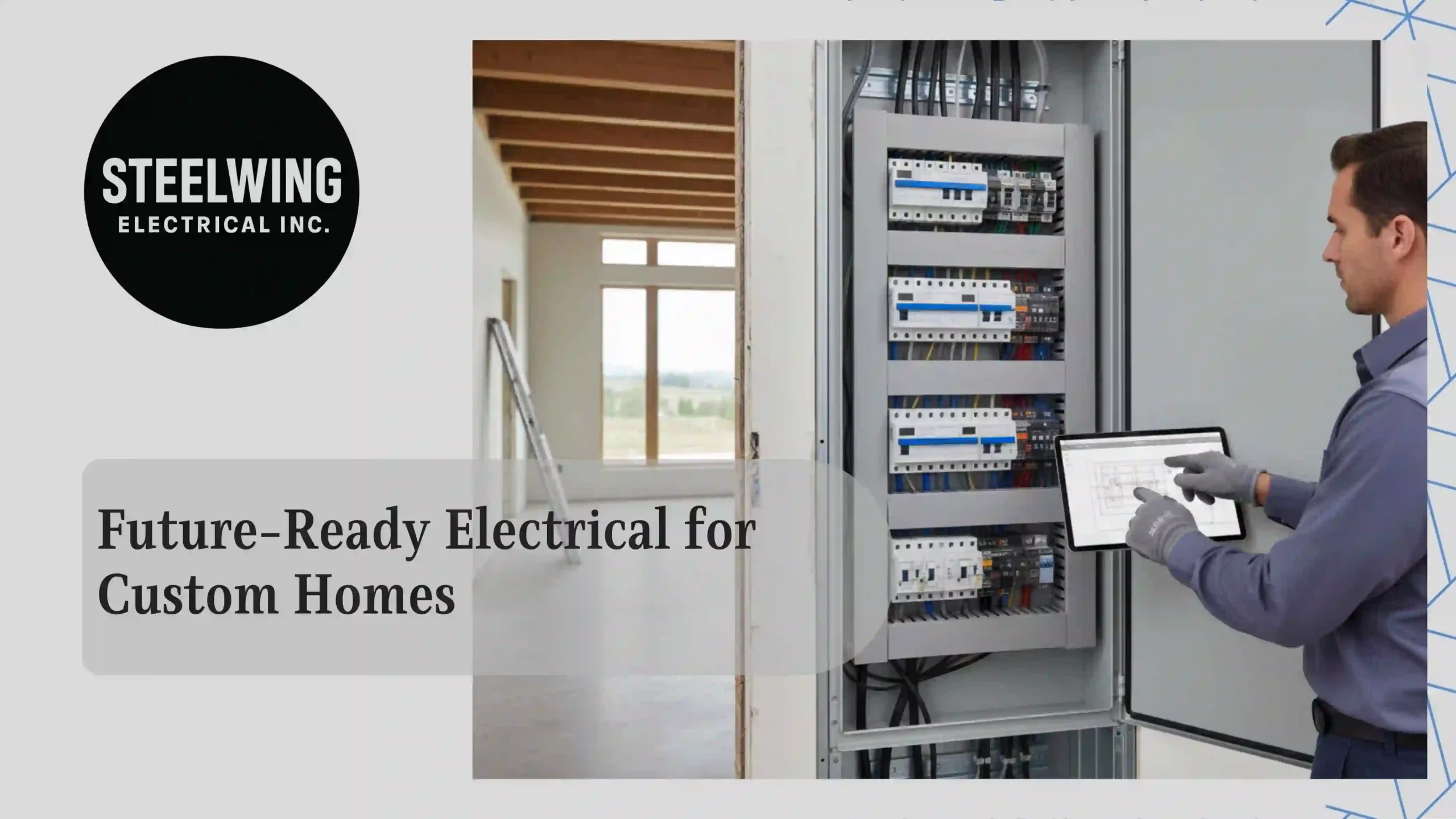
When you build a custom home, every decision matters from layout and finishes to comfort, functionality, and long-term value. Yet one area many homeowners overlook is the electrical design. Future-ready electrical planning ensures your home can support today’s technology and tomorrow’s innovations without expensive rewiring later.
Instead of simply “meeting code,” future-focused electrical design anticipates changes in lifestyle, energy use, and technology. Smart devices, electric vehicles, solar systems, and advanced security networks all require thoughtful planning during construction when upgrades are easiest and least costly.
Below is a comprehensive guide to designing future-ready electrical systems for custom homes.
Why “Future-Ready” Electrical Planning Matters
Electrical systems aren’t just about switches and outlets anymore. Homes today function more like mini-technology hubs. A forward-thinking electrical plan offers several advantages:
- Flexibility to add new devices later
- Improved home safety
- Lower long-term upgrade costs
- Higher resale value
- Better energy efficiency and control
Instead of trying to retrofit wiring later, future-ready homes are built to adapt.
Plan for More Power Even If You Don’t Need It Yet
A common mistake in new builds is installing the bare minimum service size. Modern homes often benefit from:
- 200-amp or 400-amp service panels
- Dedicated sub-panels for additions or workshops
- Space reserved for future breakers
Electric vehicles, backyard structures, hot tubs, outdoor kitchens, and accessory dwelling units can all require more power than expected. Building capacity in advance prevents panel overloads and costly upgrades.
Pro Tip: Ask your electrician to label circuits clearly and leave open slots for growth.
Smart Home Infrastructure Starts With Wiring
Wireless devices are convenient, but reliable smart systems still depend on strong wiring. Include structured wiring pathways for:
- Internet & networking
- Security cameras
- Doorbells and intercoms
- Home theaters and audio systems
- Automation hubs
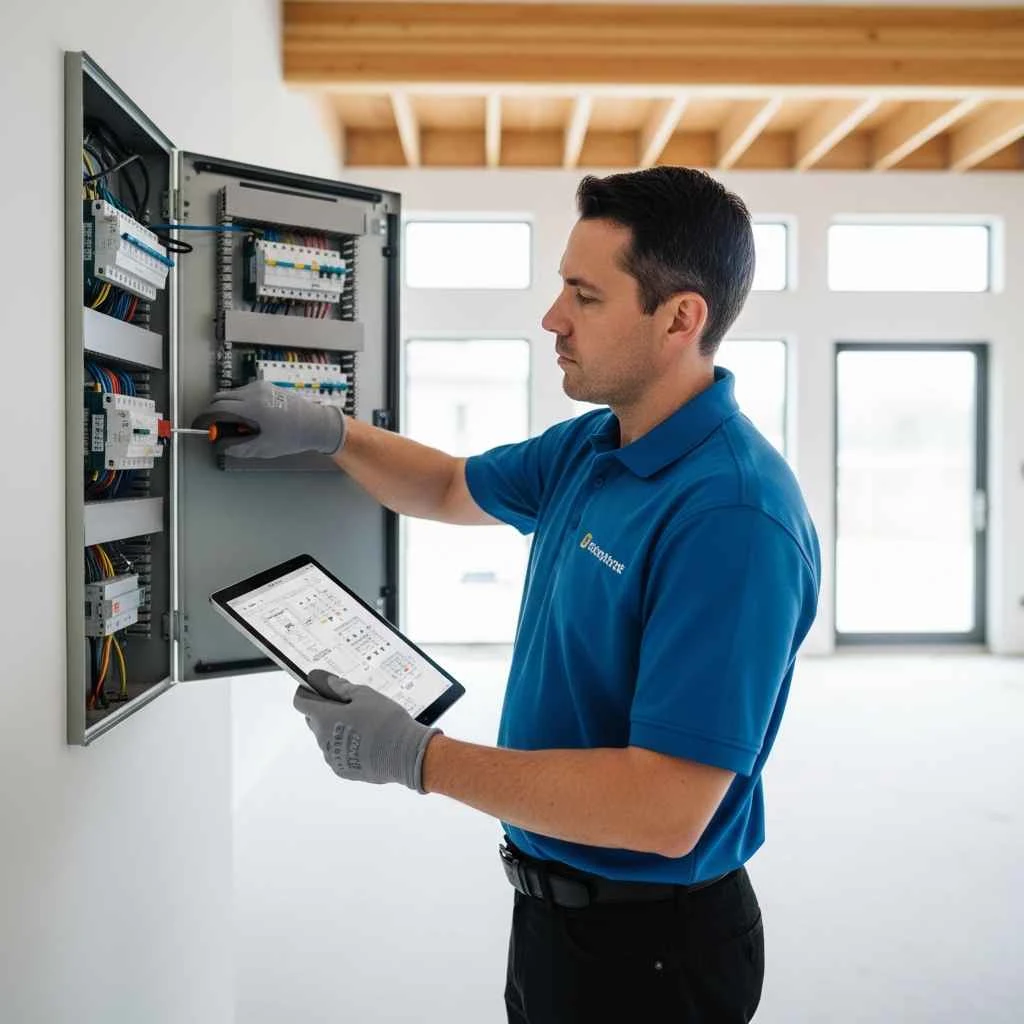
Running Cat6 or fiber-ready conduit now allows easy tech upgrades later without cutting open walls. Centralizing wiring into a single low-voltage control panel keeps systems organized and serviceable.
Dedicated Circuits for High-Load Appliances
Future-ready homes plan for heavy-duty equipment, such as:
- Electric vehicle chargers
- Tankless water heaters
- Outdoor spas or pools
- Workshop tools
- High-end kitchen appliances
Placing these on separate circuits improves efficiency and prevents nuisance breaker trips. Even if you’re not installing the appliance today, pre-wiring saves future labor and disruption.
EV Charging: Even If You Don’t Drive Electric Yet
Electric vehicles are becoming increasingly common, and homes with EV-ready wiring gain instant long-term appeal. Installing a 240-volt outlet and appropriate wiring during build-out costs significantly less than retrofitting later.
Homeowners appreciate the convenience, and buyers recognize it as a value-adding feature.
Solar-Ready & Battery-Ready Electrical Design
Whether or not you install solar panels now, preparing your home for them is smart. Solar-ready layouts typically include:
- The conduit runs from the roof to the electrical panel
- Space for solar breakers
- Room for a future battery storage system
This approach shortens installation time and reduces structural modifications when you eventually add renewable energy.
Lighting That Adapts With You
Lighting is one of the easiest places to blend beauty with technology. Future-ready homes often include:
- Dimmable LED fixtures
- Smart switches and smart bulbs
- Pre-wired options for under-cabinet and accent lighting
- Outdoor landscape lighting circuits
Layered lighting enhances mood, increases security, and improves energy efficiency. With smart controls, you can manage brightness and schedules from your phone or voice assistant.
Whole-Home Surge Protection
With more electronics come more risks. Power surges caused by storms, grid issues, or large appliances can damage sensitive systems. A whole-home surge protector installed at the main panel shields:
- Smart appliances
- Computers
- HVAC equipment
- Entertainment systems
- Security devices
It’s a relatively small investment compared to replacing damaged equipment.
Backup Power & Generator Integration
Future-ready homes also plan ahead for outages. Even if you don’t install a generator or battery backup immediately, preparing the electrical infrastructure makes the transition seamless.
Popular options include:
- Transfer switches
- Generator-ready outlets
- Battery integration systems
Homeowners enjoy peace of mind knowing essentials like refrigerators, security, and lighting stay functional when the grid goes down.
Think About Everyday Convenience
Technology aside, great electrical planning makes daily living easier. Consider:
- Extra outlets in garages and workshops
- Charging stations in kitchens and offices
- Floor outlets in open-concept living areas
- Bedside USB outlets
- Outdoor outlets for tools and decorations
These small details deliver big comfort and reduce extension-cord clutter.
Safety Is Always the Priority
A future-ready electrical plan still starts with safety. That means:
- Ground-fault and arc-fault protected circuits
- Proper load balancing
- Quality components
- Licensed electrical design
Smart wiring doesn’t just support technology it protects families and property.
Final Thoughts: Build Today With Tomorrow in Mind

Future-ready electrical planning turns a custom home into a smart, adaptable, and investment-worthy living space. By thinking ahead about technology, energy, and convenience, you avoid costly rewiring projects and ensure your home evolves gracefully with your lifestyle.
When collaborating with your builder and electrician, discuss:
- Extra panel capacity
- Conduit routes
- Smart home infrastructure
- EV and solar readiness
- Dedicated circuits
- Surge protection and backup options
Call to Action
The earlier these decisions happen, the easier and more affordable they are to implement. Contact us today!